The other day I was trying to access a blog and it was taking forever to come up. Now, there is a website where you can find out how long it takes for your blog or website to come up. So I thought I'd test my blog and a few others to just see what the time is for several different types of blogs. Just a few examples for you:
Several blogs were 5.xx seconds range.
*
One was 17 seconds.
*
Another one was 11.5 seconds
*
Another popular one with over 30,000 viewers was 31.2 seconds.
*
Costco was 2.4 seconds
*Funny but Walmart wouldn't let me time it but it was instantaneous, which means they probably have a T-line and a fantastic IT person. :-)
*
Amazon was 1.8 seconds.
*
A news site was 4.1 seconds
*
Etsy was 1.1 seconds, even with all the photos!
*
My Photobucket was 3.2 seconds with almost 10,000 photos on it.
*
The main Photobucket was 1.1 seconds.
*
eBay was 2.29 seconds!
*
One "celebrity" blogger, who has a LOT of stuff on her blog is 10.8 seconds.
*
Another very popular blogger was 15.2 seconds
*
Another "celebrity" blogger was 1.32 MINUTES.
*
One blogger who I follow and like is 7.9 seconds
*
One of my favorites is 7.3 seconds
*
One popular blogger was 2.9 MINUTES to load! I'll never go back to that blog.
*
Mine was 1.9 seconds, but I Photoshop all my photos to make them smaller in terms of jpg size. This shows that it definitely helps. Also, blogs with pngs are very, very slow.
*
Apple's was 1.4, so they're one—along with etsy and Photobucket—who was faster than my blog. I find that incredible though.
*
This is not scientific data, just fun.
~*~
Haven't we all dreamed of having a little cottage shed in our backyard for either storage or just a place for ourselves? I have. I'll never have one but I daydream about it. Daydreams are alive and well in this home! I'm just too frugal and too old to get one.

This looks like a style that seems to be gathering steam as a new provocative style. Personally, I don't care for it but I'm sure a lot of Berkeley students are decorating as we speak. ;-)
Several blogs were 5.xx seconds range.
*
One was 17 seconds.
*
Another one was 11.5 seconds
*
Another popular one with over 30,000 viewers was 31.2 seconds.
*
Costco was 2.4 seconds
*Funny but Walmart wouldn't let me time it but it was instantaneous, which means they probably have a T-line and a fantastic IT person. :-)
*
Amazon was 1.8 seconds.
*
A news site was 4.1 seconds
*
Etsy was 1.1 seconds, even with all the photos!
*
My Photobucket was 3.2 seconds with almost 10,000 photos on it.
*
The main Photobucket was 1.1 seconds.
*
eBay was 2.29 seconds!
*
One "celebrity" blogger, who has a LOT of stuff on her blog is 10.8 seconds.
*
Another very popular blogger was 15.2 seconds
*
Another "celebrity" blogger was 1.32 MINUTES.
*
One blogger who I follow and like is 7.9 seconds
*
One of my favorites is 7.3 seconds
*
One popular blogger was 2.9 MINUTES to load! I'll never go back to that blog.
*
Mine was 1.9 seconds, but I Photoshop all my photos to make them smaller in terms of jpg size. This shows that it definitely helps. Also, blogs with pngs are very, very slow.
*
Apple's was 1.4, so they're one—along with etsy and Photobucket—who was faster than my blog. I find that incredible though.
*
This is not scientific data, just fun.
~*~
Haven't we all dreamed of having a little cottage shed in our backyard for either storage or just a place for ourselves? I have. I'll never have one but I daydream about it. Daydreams are alive and well in this home! I'm just too frugal and too old to get one.

This looks like a style that seems to be gathering steam as a new provocative style. Personally, I don't care for it but I'm sure a lot of Berkeley students are decorating as we speak. ;-)

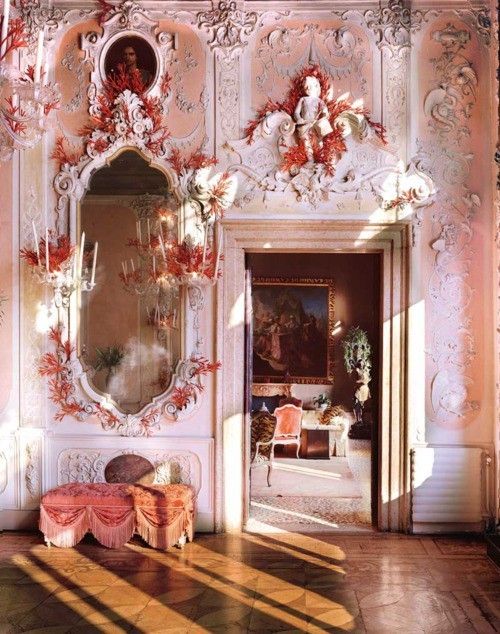
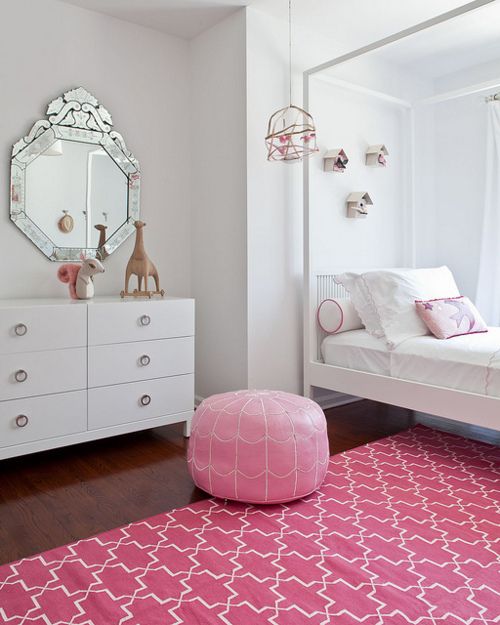
Pink is all that needs to be said about this room.
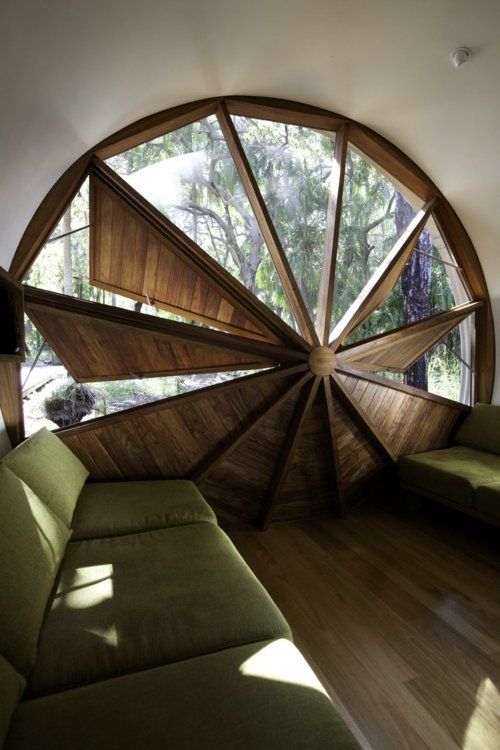
I don't know where this is but from the architecture it looks like something on the East Coast rather than West Coast. I just wonder if those wood planks on the window open and close. It's a beautiful and extraordinary window.
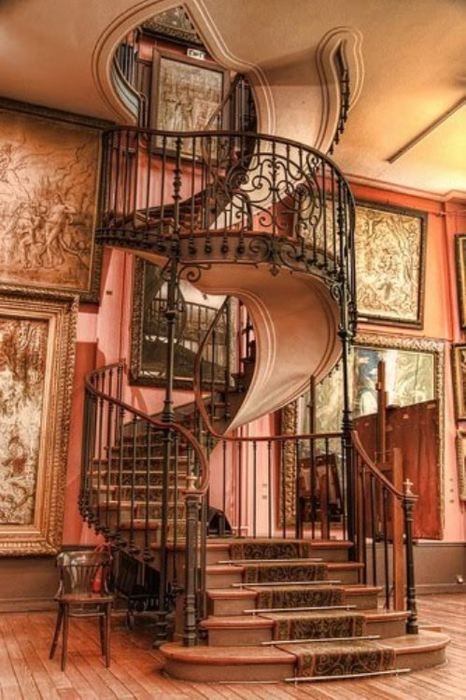
For those of you who wish for spiral staircases. I don't think I'd want one simply because I don't like stairs at all, but this one is gorgeous.
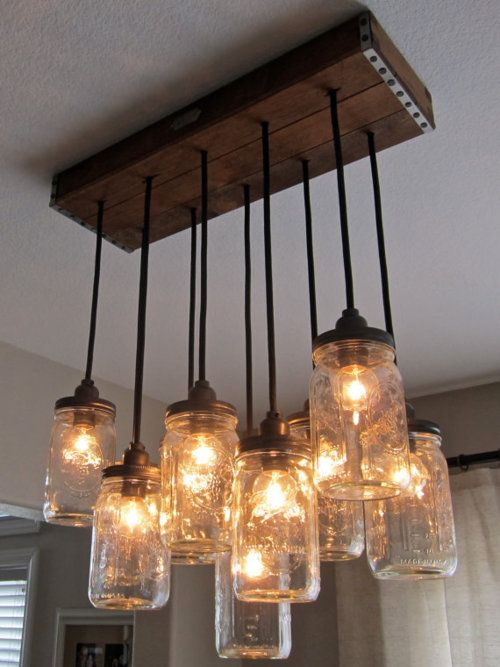
Look how cute this pendant light made of canning jars looks. Perfect for a farmhouse look.
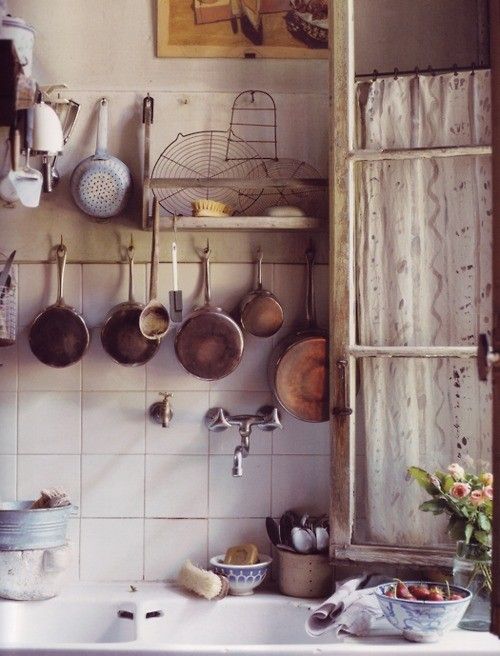
Well-worn and -used copper pots.
This is a restaurant in the Phillipines, where my daughter-in-law is from. Our son and his wife travel over there about every 5 years to visit her family. This is one of the cities they've visited. The water goes under the tables so you'd better be shoeless. I'm sure the kids love it!



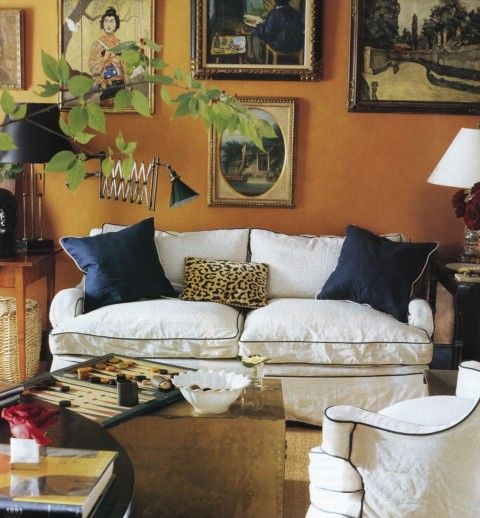
I truly do love white with dark blue piping. I think I'd like it with pink piping much better though.
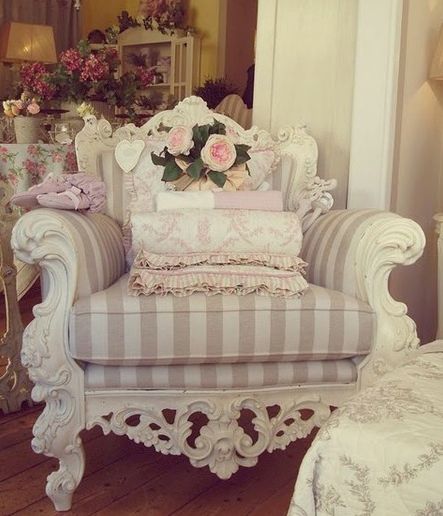
And yes, I'd love this chair also, exactly like it is with those stripes. Gorgeous!
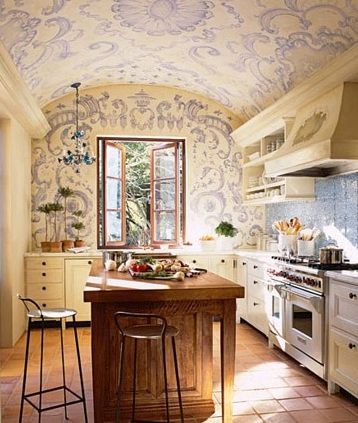
Aren't the walls of this kitchen exquisite?
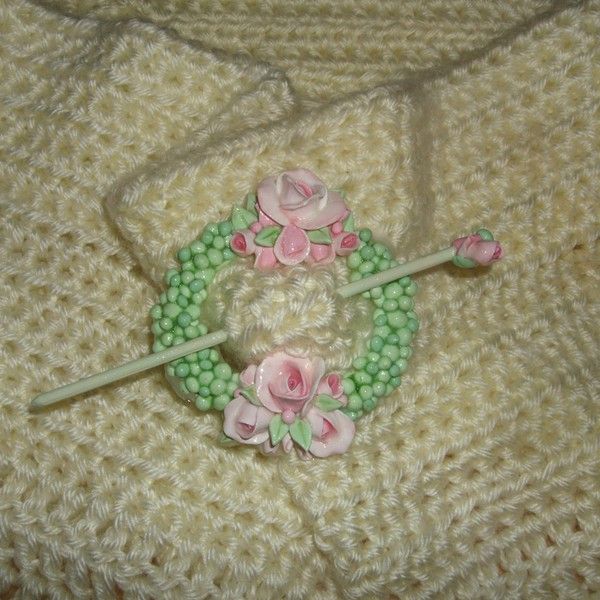
This is a shawl pin I saw on the internet. It actually keeps your knitted shawl or scarf together. Go visit Claudia and see her exquisite handmade scarves.
And this chair? This is the chair in my living room. It's the photo Thomasville sent me when the chair was made and ready for delivery. It's one of the most beautiful chairs I've ever seen and I just love having it in my home.
 *
*I've always wanted to make a ding in the universe; I doubt I will, but I have no doubt I'll put a ding in a very minute portion of it.
Connie
~*~
All photos courtesy of pinterest and tumblr.


